Walking in the Present
Lakshya Ranwan | Jayesh Pillai
Introduction
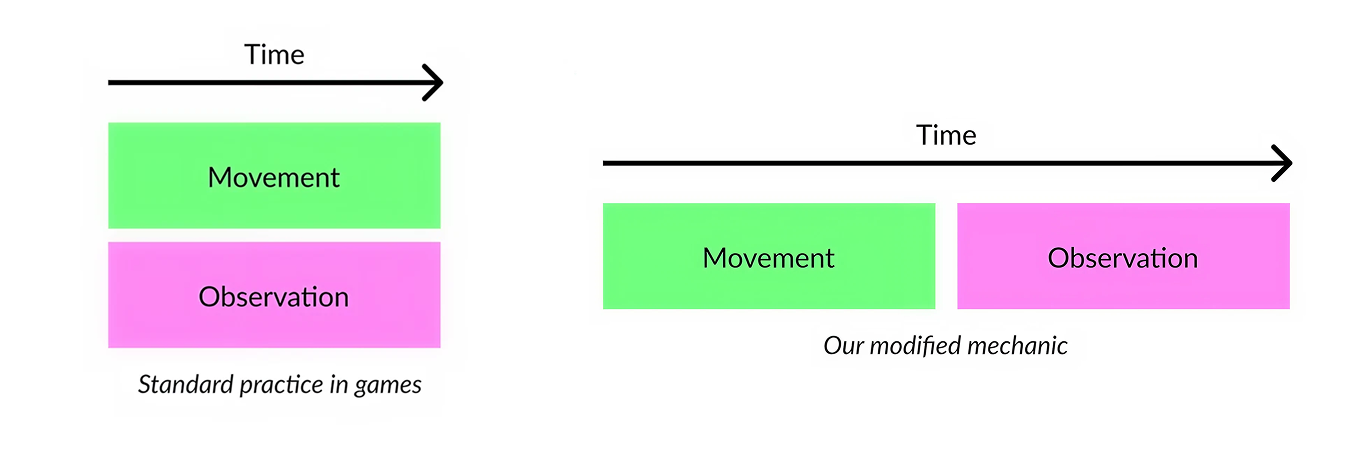
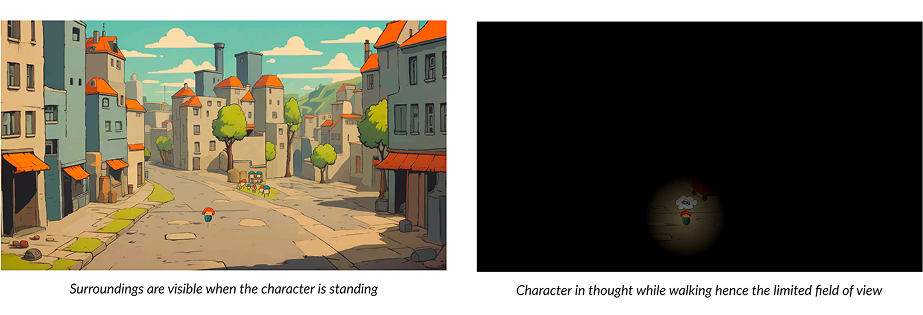
This 2.5D digital game explores how digital play can invoke reflection on real-life mindfulness while walking. Rather than aiming for immediate behaviour change, the project focuses on awareness and memorability. The project focuses on walking as a mundane, everyday activity where a lack of mindfulness is common due to distractions such as mobile phones, music, and overthinking. The core mechanic mirrors real-life inattentiveness by preventing simultaneous movement and observation; players must stop moving to fully see their surroundings.
Process
The project began with secondary research and user interviews on attention and walking-related distractions, followed by the ideation of multiple game concepts. These ideas were refined through iterative pilot testing and playtesting, leading to the final development and evaluation of the reflective game.
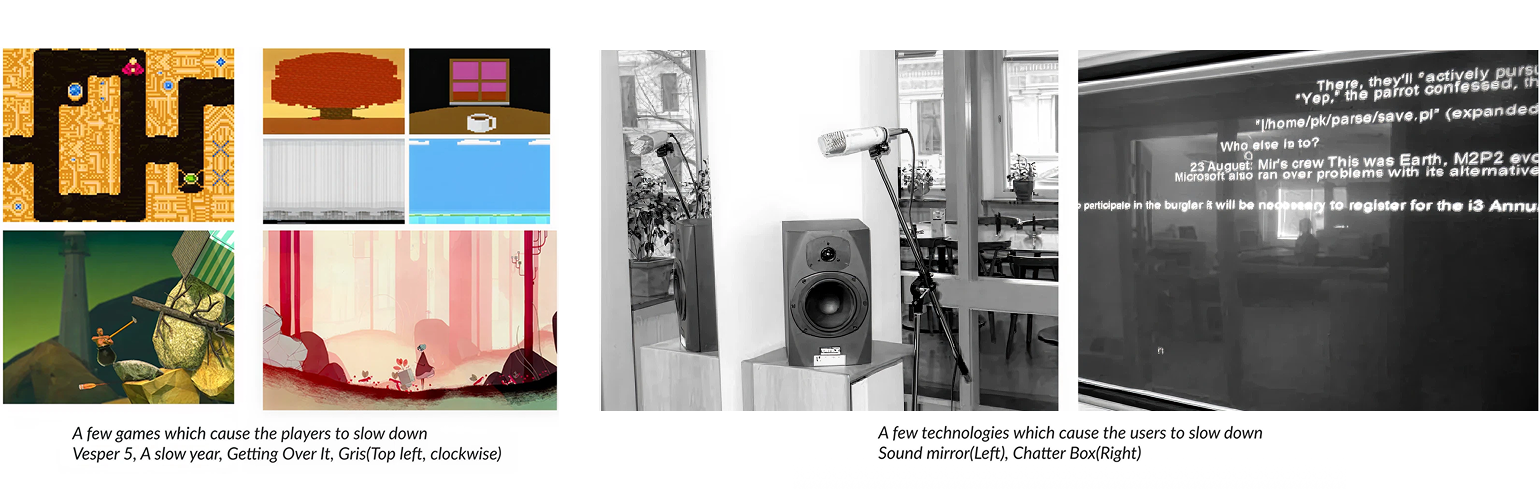
Key research themes included hyper attention versus deep attention, slowing down as a design strategy, and breaking the magic circle through relatability, repetition, and emotional impact. Primary research indicated that players tend to reflect on games after play when mechanics are repetitive, relatable, and create meaningful frustration rather than challenge alone.
Ideation and Pilots
Multiple early game ideas were explored, including audio-led navigation with blocked vision, observation-based platformer mechanics, and work-life balance simulations across different professions. The final direction focused on walking and mindfulness due to its universality, everyday nature, and strong potential for players to draw parallels between in-game actions and real-life behaviour.
Three pilot versions were tested:
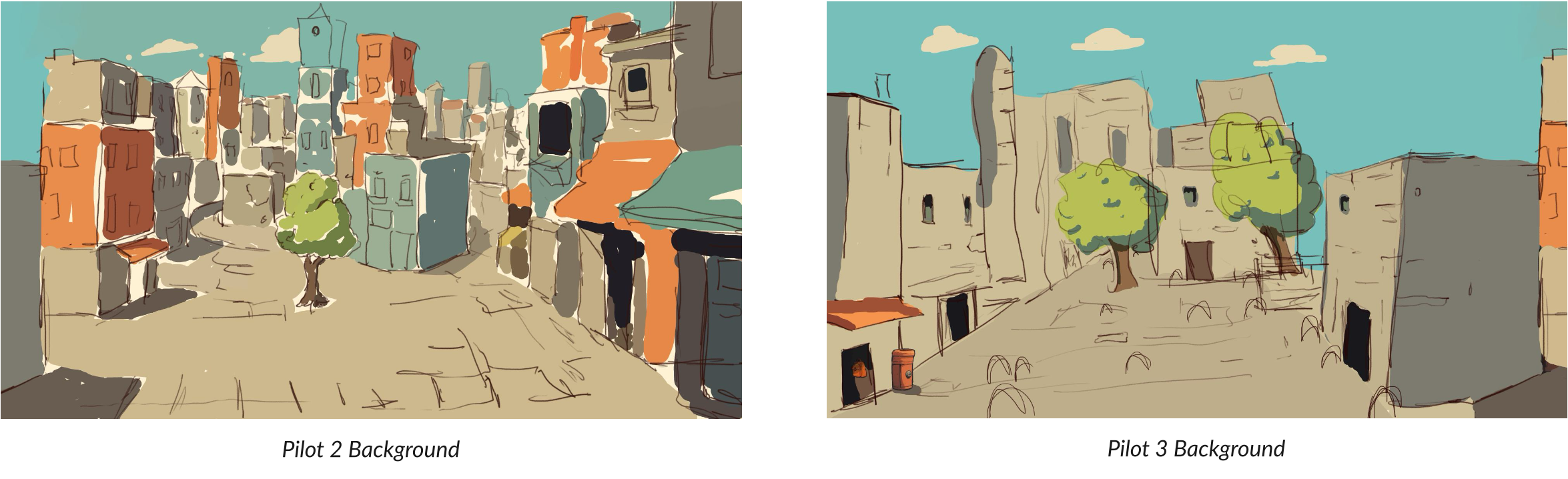
- A Wizard-of-Oz prototype
- A low-fidelity coded prototype
- A higher-fidelity prototype with sound and animation
Findings showed that increased visual fidelity, animation, and sound encouraged slower play, exploration, stronger recall, and greater reflection after gameplay.
Final Design
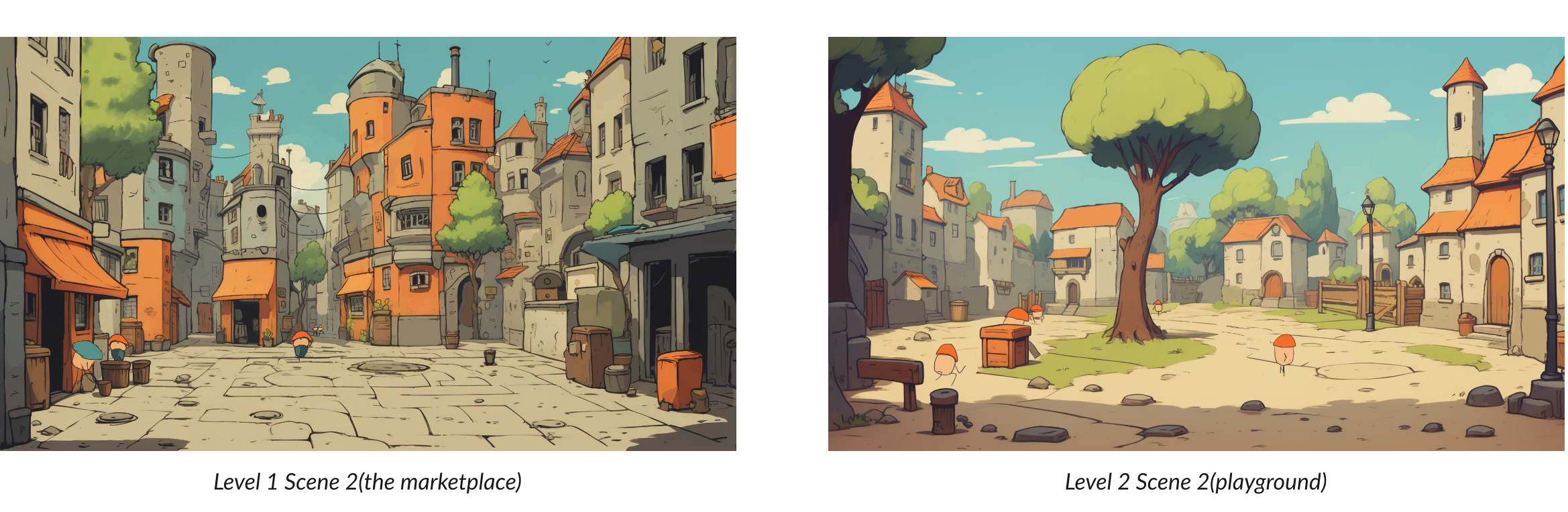
The final game is divided into two levels representing a single day in the life of a student.
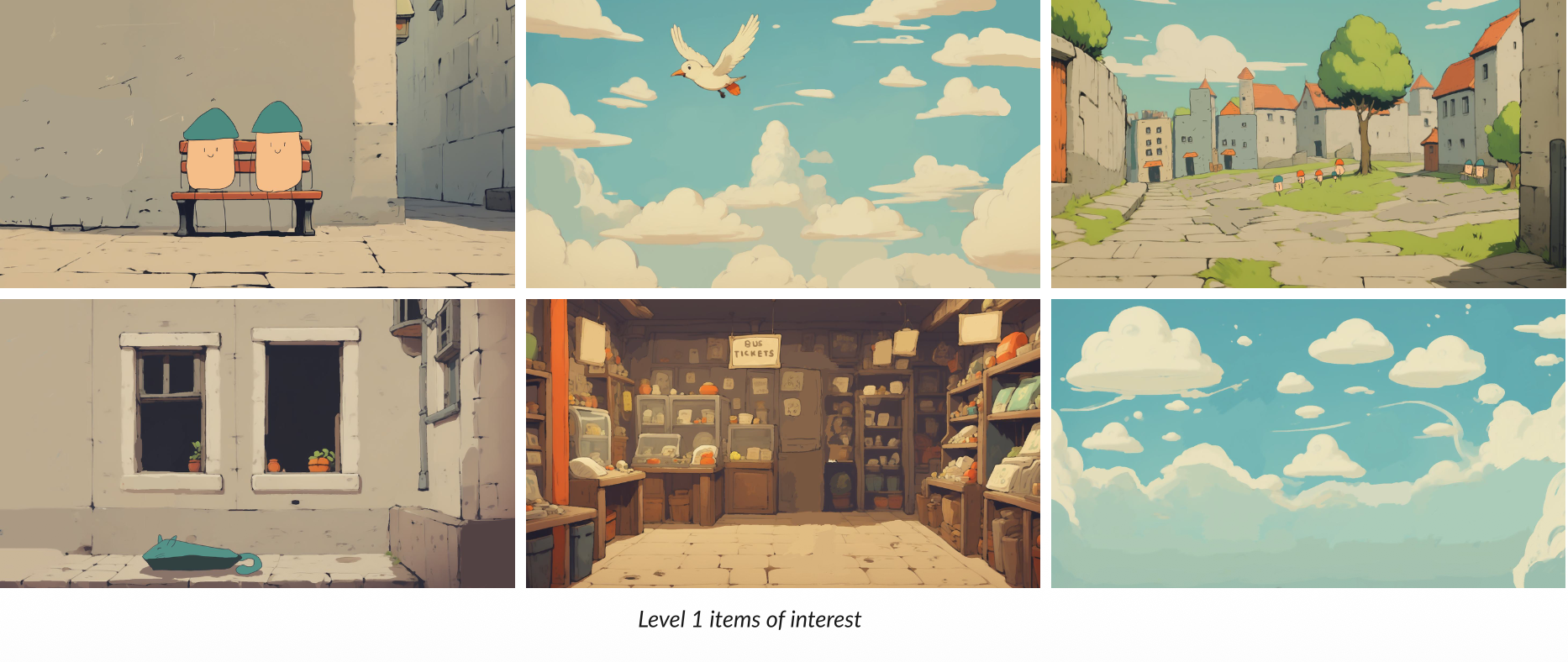
Level 1: Morning routine, market, bus journey, school
Level 2: Return home, playtime, playground
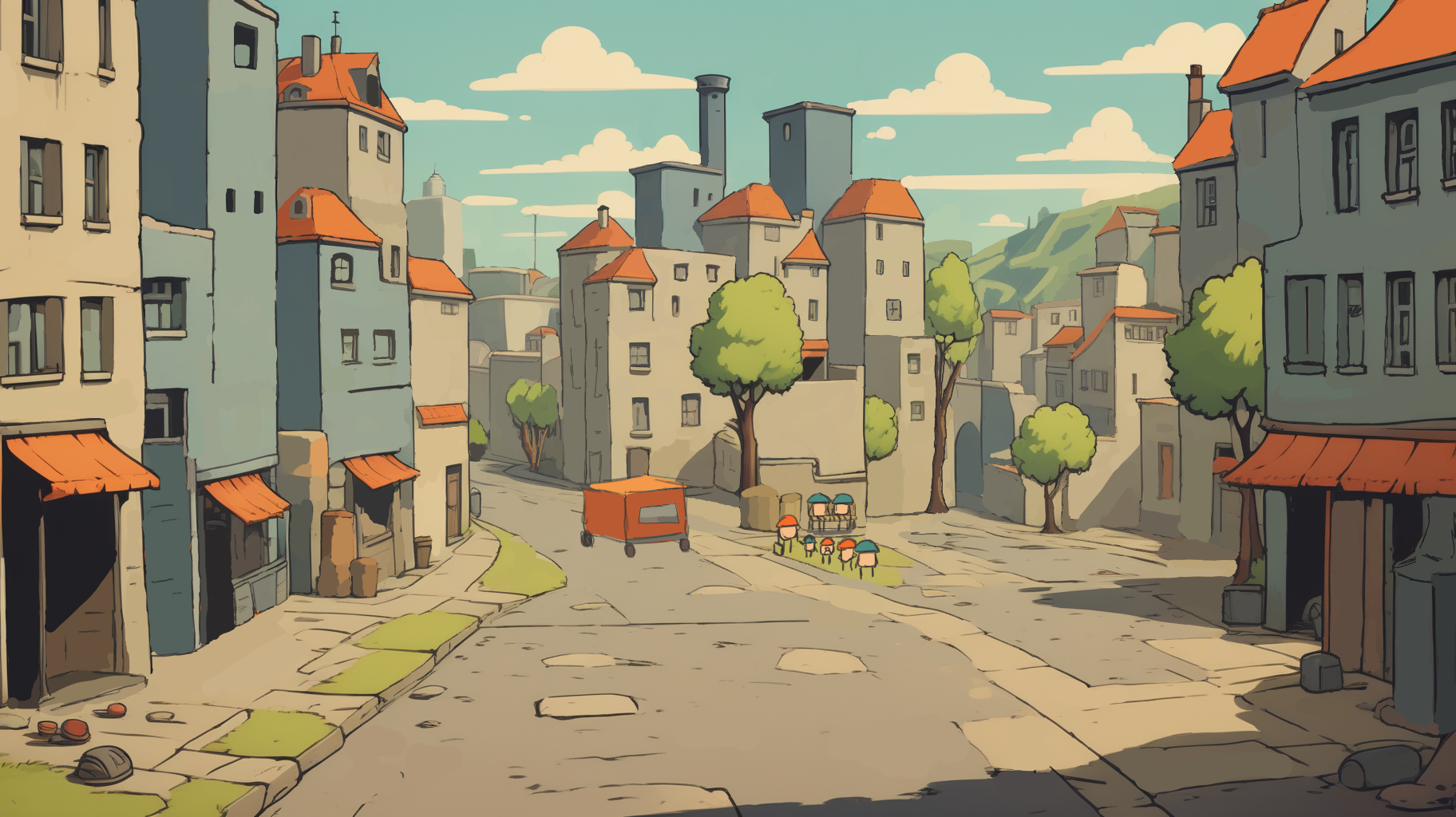
The environments are hand-drawn using 2D sprites arranged to create depth, with frame-by-frame animation to enhance immersion and encourage observation.
Core Mechanics and Features
These mechanics exaggerate everyday distractions to make players aware of similar behaviour in real life.
- Movement and observation are sequential, not simultaneous
- Vision narrows while walking or engaging with phone or music
- Items are discovered only by stopping and waiting
- Distractions include thoughts, social media, and music
- No loss condition; reflection is reinforced through score-based feedback
Outcome
Evaluation of thirteen users confirmed that while behaviour change was limited, the game effectively triggered self-reflection and heightened awareness of real-world mindfulness. Key findings showed that limiting player agency and using repetitive, third-person mechanics created a memorable frustration that strengthened recall beyond gameplay.